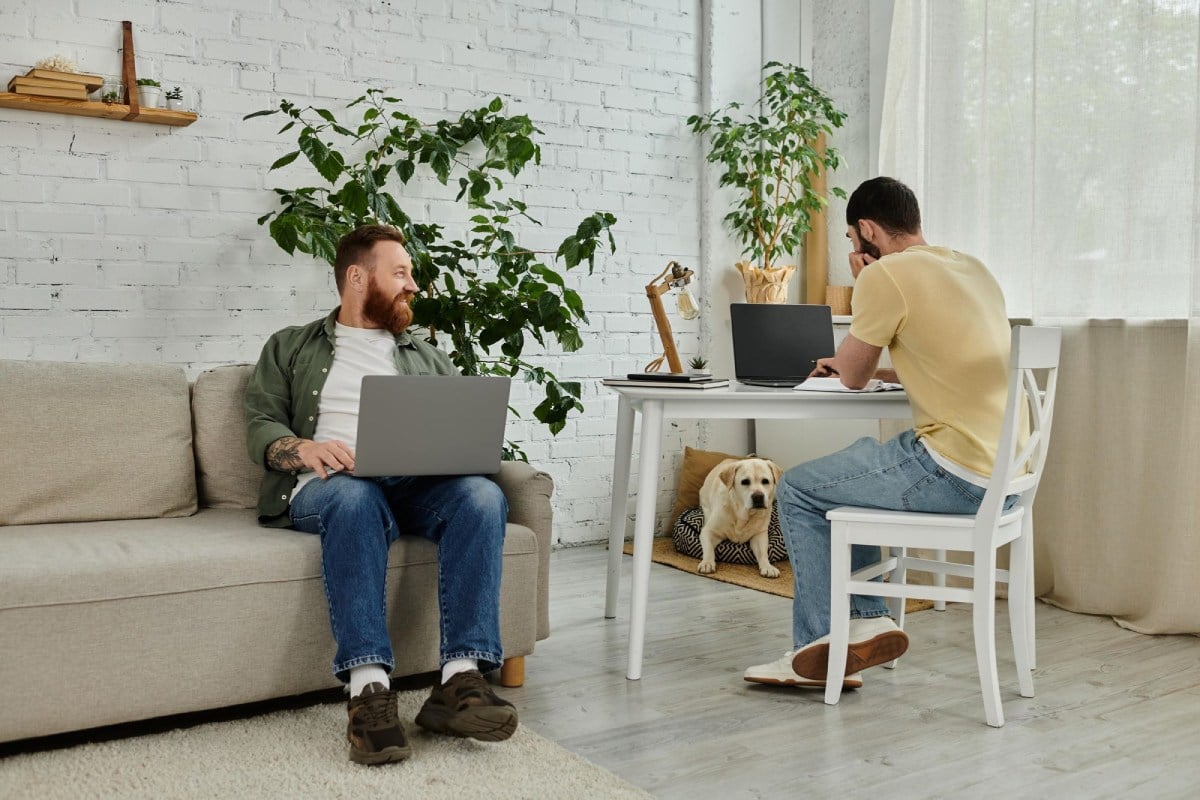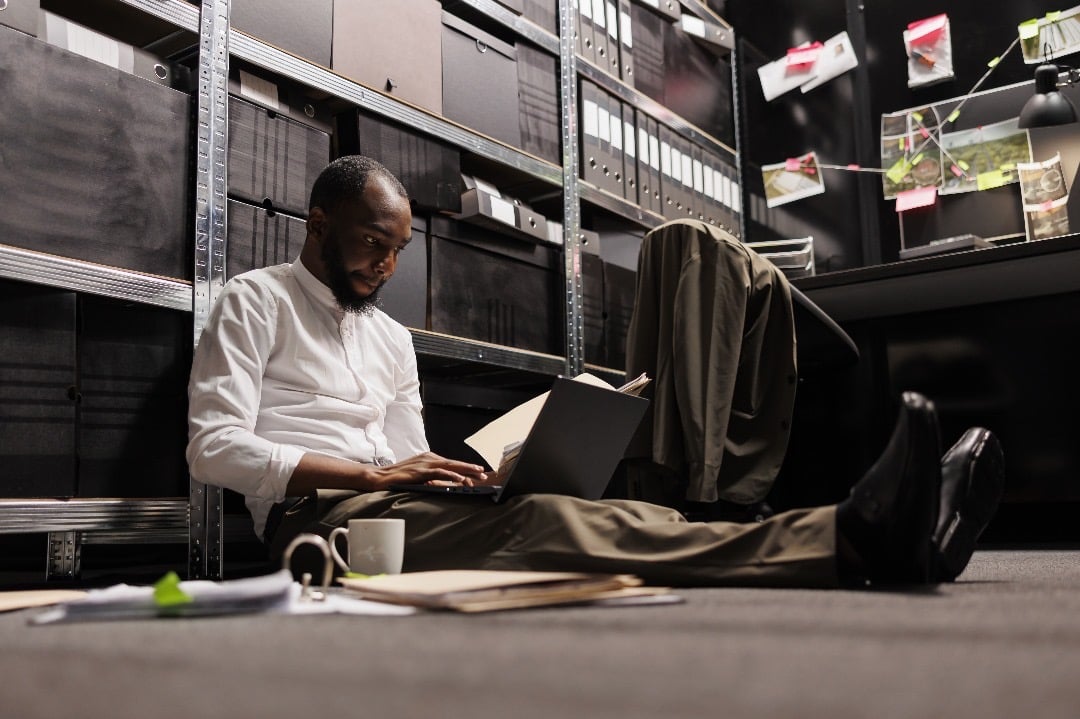
As work continues to evolve, one question stands out: Do we still need the office? The answer is not as straightforward as it once was. The rise of remote work has given employees flexibility and companies cost savings, making many question the necessity of physical office spaces. However, despite this shift, the office remains an essential hub for collaboration, innovation, and culture-building.
The Workspace Revolution: Understanding Change
The evolution of workspaces has been influenced by technological advancements and changing employee expectations. Before the pandemic accelerated remote work adoption, offices were often seen as static environments where employees spent most of their working hours. Today, with tools like Zoom and Slack facilitating seamless communication across distances, companies are reevaluating how they use physical space.
How the Office Fuels Success
- Collaboration Beyond the Screen
- Face-to-face interactions spark creativity and faster decision-making compared to virtual meetings.
- Spontaneous discussions and brainstorming sessions lead to more dynamic problem-solving.
- Team synergy is enhanced when employees can collaborate in shared spaces.
- Culture That Can’t Be Built Over Zoom
- The physical workspace reflects a company’s values through design, layout, and common areas.
- Office rituals, social interactions, and shared experiences create a strong sense of belonging.
- Team bonding and company-wide engagement are easier to cultivate in person.
- Mentorship Moments
- New employees learn company culture and workflows more effectively when surrounded by experienced colleagues.
- In-office mentorship opportunities allow for quick learning and professional development.
- Junior employees benefit from casual, everyday interactions with senior staff.
- Productivity and Focus Boosters
- Separating professional life from personal life contributes positively to maintaining healthy boundaries essential for productivity.
- Dedicated workspaces help minimize distractions found in home environments.
- Structured office routines create a work-life boundary that enhances productivity.
- Access to better technology, meeting rooms, and ergonomic setups improves efficiency.
- Wellness at Work
- Offices provide social interactions that help prevent isolation, a common challenge of remote work.
- Wellness spaces, lounge areas, and team activities support employee mental health.
- A change in environment can enhance motivation and job satisfaction.
The Flexibility Factor: Making Remote Work Work
While physical offices offer numerous benefits, there are compelling reasons why many companies have adopted or integrated remote work into their operations:
- Flexibility Unlocked: Remote work provides flexibility that enhances employee well-being by allowing better control over schedules, especially beneficial for those with caregiving responsibilities or living far from urban centers.
- Cost Savings: Reducing overhead costs associated with maintaining large office spaces can be financially advantageous for businesses looking to allocate resources elsewhere (e.g., talent acquisition).
- Global Talent Access: Companies can hire talent globally without geographical constraints, opening up diverse skill sets previously inaccessible due to location limitations.
The Best of Both Worlds: Hybrid Work Models
Given the advantages of both physical offices and remote work environments, many businesses are now blending remote and in-office work to optimize both productivity and collaboration. The hybrid model:
- These models allow employees some days working remotely while others spent at the office, catering to diverse needs within the workforce while maintaining productivity levels.
- By offering flexibility alongside structured face-to-face interaction times, hybrid models aim at maximizing both individual autonomy and collaborative synergy among teams.
- The hybrid model also helps businesses retain top talent by catering to diverse work preferences.

Crafting Effective Hybrid Environments
To ensure success with hybrid models:
- Clear Communication Channels: Establish clear policies regarding when employees should be present in-office versus working remotely based on project requirements or team needs.
- Flexible Workspace Design Strategies: Designate flexible workspace arrangements within offices (e.g., hot desks) that accommodate varying numbers of staff members depending on days worked remotely versus those spent onsite.
- Seamless Technology Integration: Ensure seamless integration between digital tools used remotely (like video conferencing software) with technology available within physical workplaces (such as smartboards).
- Feedback Loops: Regularly solicit feedback from employees regarding what works best under these hybrid arrangements, adjusting policies accordingly based on insights gathered over time.
Conclusion: Where Do We Go From Here?
Many organizations are exploring hybrid models, combining the benefits of both in-office and remote work. This approach allows for face-to-face collaboration when necessary while offering flexibility for tasks that can be completed independently. Designing adaptable office spaces that cater to various work styles can support this balance, ensuring that the office remains a valuable resource in the modern work landscape.
In conclusion, while technology has made it possible for much business activity to occur remotely, and indeed offers significant benefits such as increased flexibility, the value proposition offered by physical offices remains substantial today, especially when it comes fostering collaboration & innovation; providing mentorship opportunities; reinforcing company culture; enhancing productivity & well-being among staff members.
Additional Resources:
For those interested in exploring modern workspace designs further:
This article highlights key features such as flexible workspace arrangements & smart technology integration crucial for contemporary workplaces aiming at enhancing productivity & engagement among staff members.