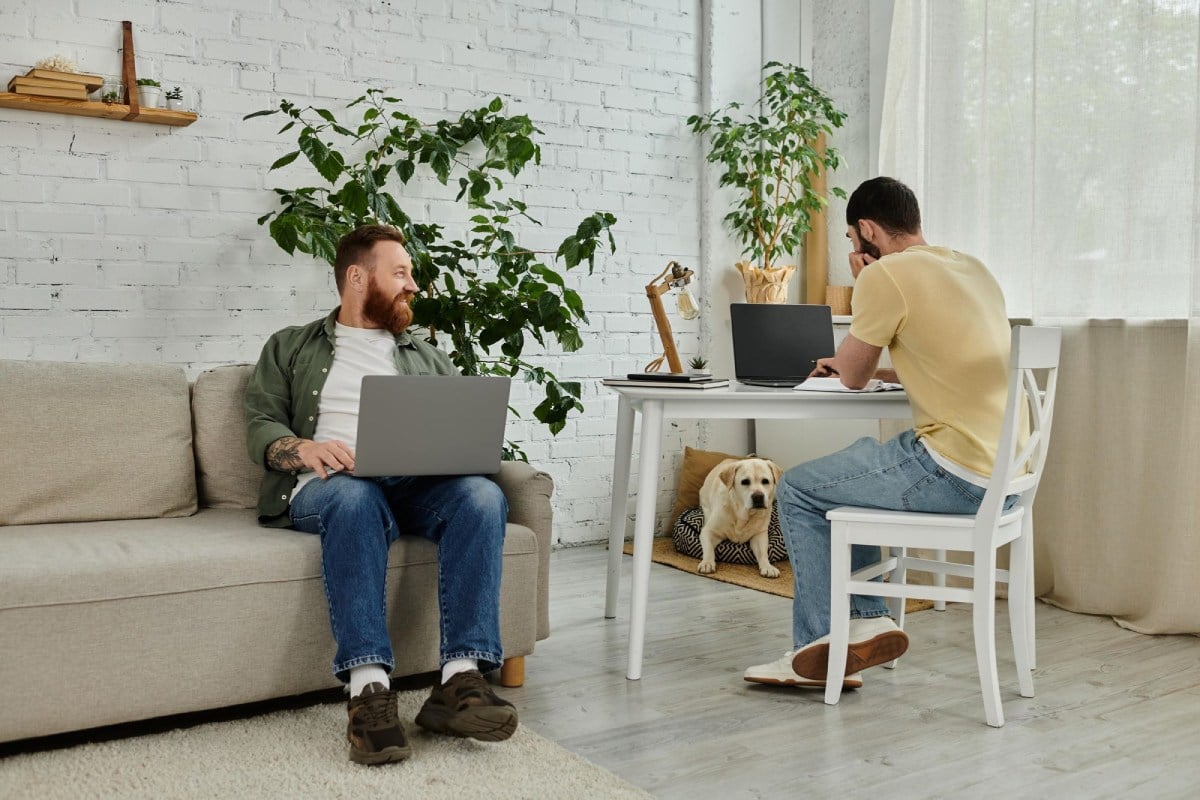
While we often focus on recycling and reducing paper use, a surprising contributor to energy consumption goes overlooked: office furniture. Traditionally, aesthetics and functionality reigned supreme in office design. But with growing concerns about climate change and the push for sustainable business practices, a new trend is emerging: energy-efficient office furniture.
The Ripple Effect of Office Furniture Choices
The impact of our office environments extends far beyond the walls. Here’s why making sustainable furniture choices matters:
- Reduced Energy Consumption: Traditional office furniture, particularly lighting-integrated furniture and desks with built-in electronics, can contribute significantly to a building’s energy consumption. Energy-efficient alternatives use less power, leading to lower energy bills and a smaller environmental footprint.
- Improved Air Quality: Many furniture materials off-gas harmful chemicals, impacting indoor air quality. Sustainable furniture often utilizes recycled or low-VOC (volatile organic compound) materials, creating a healthier work environment for employees. This can lead to fewer headaches, respiratory problems, and even improved cognitive function.
- Resource Conservation: The furniture industry relies heavily on virgin resources like wood. Sustainable furniture often uses recycled materials or fast-growing, renewable wood sources, minimizing environmental damage.

Challenges of Traditional Office Furniture
While the benefits are clear, there are challenges associated with traditional office furniture:
- Discomfort and Health Risks: Traditional office furniture often prioritizes aesthetics over ergonomics. This can lead to a number of health problems for employees, including discomfort, fatigue, and even musculoskeletal disorders (MSDs) like back pain, carpal tunnel syndrome, and neck strain. These issues can not only decrease employee morale but also increase absenteeism due to health problems.
- Material Waste: The furniture industry often relies on unsustainable wood sources and generates significant waste during production. Additionally, furniture with short lifespans ends up in landfills.
- Health Concerns: Certain materials used in furniture construction can off-gas harmful chemicals, contributing to indoor air quality issues and health problems.
Embracing Energy-Efficient Furniture and a Holistic Approach
The good news is that there are a plethora of sustainable furniture options available today. Here’s what you can do:
- Invest in Energy-Efficient Lighting: Replace traditional light fixtures with LED options. Consider furniture designs that integrate natural light effectively, reducing reliance on artificial lighting.
- Choose Sustainable Materials: Choose furniture made from recycled materials, fast-growing bamboo, or certified sustainable wood sources. Look for furniture with low-VOC or non-toxic finishes.
- Prioritize Durability: Invest in well-made, durable furniture that will last for years. This reduces waste and the need for frequent replacements.
- Embrace Multifunctionality: Choose furniture that serves multiple purposes, minimizing the need for additional pieces and reducing overall resource consumption.
- Ergonomic Considerations: Don’t just stop at sustainability! Ergonomic furniture that promotes good posture and reduces strain can lead to increased employee comfort, productivity, and well-being.
The Big Impact of Small Choices
Choosing sustainable furniture may seem like a small step, but collectively, the impact can be significant. By prioritizing energy efficiency and responsible material usage, businesses can contribute to a greener future while enjoying a healthier and more productive work environment.
Beyond Furniture: Creating a Sustainable Office Ecosystem
Sustainable office furniture is just one piece of the puzzle. Here are some additional ways to create a truly sustainable office ecosystem:
- Promote Sustainable Habits: Encourage employees to turn off lights and electronics when not in use, and implement recycling programs for paper, plastic, and other materials.
- Embrace Green Cleaning Products: Opt for non-toxic cleaning products that are safe for both employees and the environment.
- Invest in Energy-Efficient Appliances: Look for energy-efficient options when replacing office equipment like printers, copiers, and refrigerators.
- Utilize Smart Building Technology: Implement smart building technology to automate lighting and climate control, further reducing energy consumption.
By taking a holistic approach, businesses can create a sustainable office environment that benefits both the planet and their employees.
Conclusion: Building a Sustainable Future, One Office at a Time
Investing in energy-efficient furniture and creating a sustainable office ecosystem is not just about environmental responsibility; it’s about creating a healthier, happier, and more productive work environment for your employees. This, in turn, can lead to improved employee retention, morale, and overall business success. By making these changes, businesses can contribute to a greener future, one office at a time.
Ready to Make the Switch?
At Workscape Designs, we specialize in helping businesses create sustainable and functional office spaces. Contact us today and let’s work together to build a better future for your office.