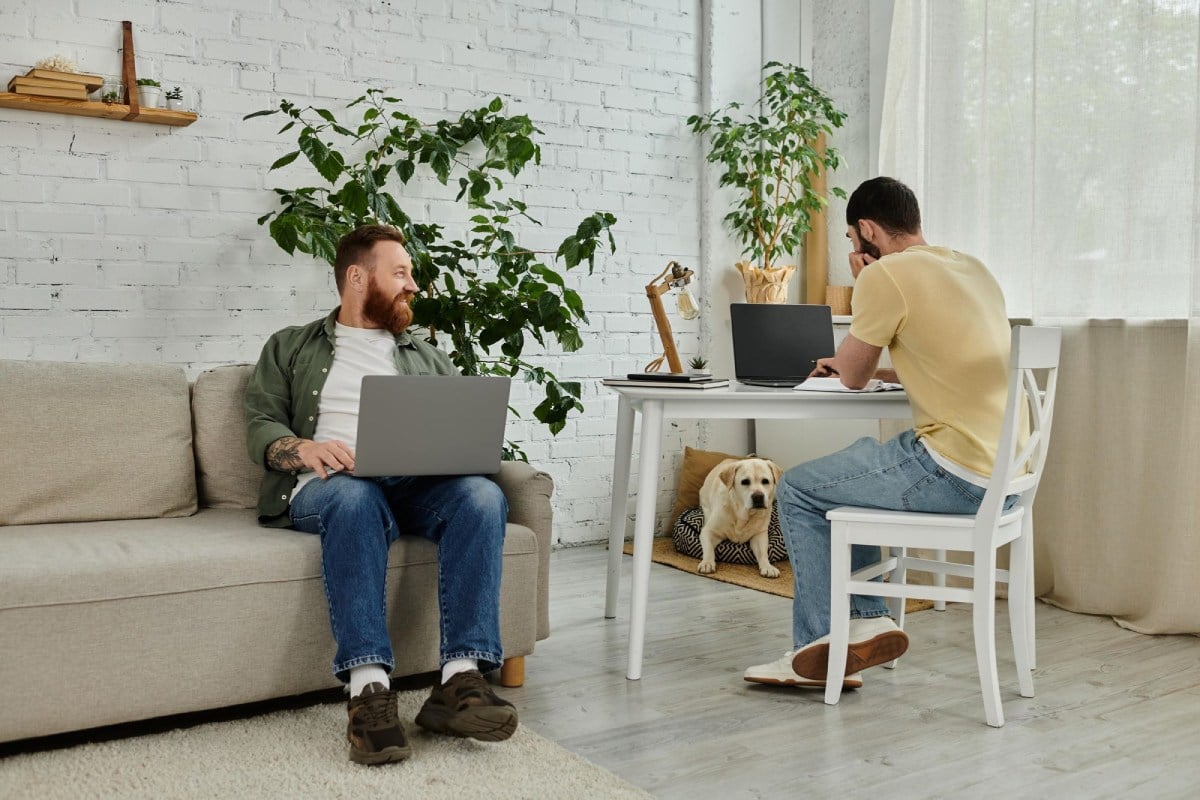
In the contemporary workplace, the intersection of technology and design has given rise to smart furniture, transforming how we work and live. Smart furniture encompasses a range of innovative designs integrated with advanced technologies to enhance comfort, productivity, and overall well-being. As offices increasingly prioritize employee health, smart furniture is becoming a cornerstone of creating healthier work environments.
The Importance of Healthier Office Spaces
Healthier office spaces are essential for numerous reasons. Firstly, they contribute to the well-being and productivity of employees. A healthy work environment can reduce absenteeism, lower stress levels, and improve job satisfaction. Secondly, businesses recognize that investing in employee health can lead to significant financial benefits, including reduced healthcare costs and enhanced employee retention. The shift towards prioritizing health in the workplace is not merely a trend but a strategic move to foster sustainable business growth.

Pain Points in Traditional Office Spaces
Traditional office spaces often present several health-related challenges. Prolonged sitting, poor posture, and inadequate movement can lead to musculoskeletal disorders, fatigue, and decreased productivity. According to a study by the American Journal of Public Health, prolonged sitting is associated with a higher risk of cardiovascular disease and diabetes, irrespective of physical activity levels . Additionally, traditional office layouts with static furniture fail to accommodate the diverse needs of employees, leading to discomfort and dissatisfaction.
Smart Furniture: A Solution to Traditional Office Challenges
Smart furniture offers innovative solutions to the health challenges posed by conventional office environments. These advanced pieces of furniture are designed to promote movement, support ergonomic postures, and integrate seamlessly with technology to enhance overall well-being. Here are a few key features of smart furniture that address these pain points:
- Adjustable Desks and Chairs: Height-adjustable desks and ergonomic chairs allow employees to alternate between sitting and standing, promoting better posture and reducing the health risks associated with prolonged sitting. According to a study published in the Journal of Environmental and Public Health, using sit-stand desks can decrease the time spent sitting at work by up to 143 minutes per day .
- Integrated Technology: Smart desks equipped with sensors and connectivity options can monitor posture, remind employees to take breaks, and even guide them through stretching exercises. This proactive approach ensures that employees remain active and engaged throughout the day.
- Personalization: Modern smart furniture can be tailored to individual preferences and needs. For instance, smart chairs can adjust to the user’s weight and posture automatically, providing personalized support. This level of customization enhances comfort and reduces the likelihood of musculoskeletal issues.
- Wellness Features: Some smart furniture includes built-in wellness features, such as air purifiers and lighting systems that adjust based on circadian rhythms. These elements create a more holistic approach to workplace health by considering environmental factors that affect well-being.
Supporting Statistics
The impact of smart furniture on workplace health and productivity is supported by compelling data. For instance, a study conducted by the American Society of Interior Designers found that ergonomic furniture reduced workplace discomfort by 61% and increased productivity by 17.5% . Additionally, research from the International Journal of Workplace Health Management highlighted that workplaces with sit-stand desks reported a 78% reduction in back and neck pain among employees .
Conclusion
The integration of smart furniture in office spaces is a game-changer for creating healthier work environments. By addressing the physical and ergonomic challenges of traditional office setups, smart furniture promotes better posture, increased movement, and overall well-being. As businesses continue to recognize the importance of employee health, the adoption of smart furniture will likely become more prevalent, leading to happier, healthier, and more productive workplaces. Investing in smart furniture is not just an investment in the office infrastructure but a commitment to the health and success of the workforce.