Walk into many corporate offices and you’ll see it: the endless beige. Beige walls. Beige carpets. Beige cubicles. Beige thinking. At some point, someone decided that “professional” meant stripping away color, personality, and risk; leaving employees marinating in monotone.
Here’s the problem: beige doesn’t inspire, it anesthetizes. It tells you to blend in, not stand out. And when your surroundings scream “predictable,” your ideas start sounding predictable too.
Beige is More Than a Color, It’s a Signal
Beige says: play it safe. Don’t disrupt. Keep it neutral. That message seeps into behavior. Instead of brainstorming bold ideas, people reach for the “least risky” option. Instead of collaboration, you get compliance. Slowly but surely, beige stops being a paint choice, it becomes a culture.
Why Humans Rebel Against Bland
Think about when your best ideas hit: a busy café humming with energy, a colorful street corner, a gallery wall that jolts your senses. We’re wired to respond to variety, contrast, and surprise. Beige eliminates those stimuli. It’s like putting your brain on airplane mode during working hours.
Research backs this up: studies in environmental psychology show that visual variety, natural light, and color saturation all boost cognitive flexibility and problem-solving. Translation? Beige blocks creativity at the neurological level.
The Real Cost of Bland Design
Companies often justify neutral design as “safe.” But safety comes at a price:
- Flat collaboration. Meetings feel transactional instead of dynamic.
- Risk-aversion. Teams settle for what’s acceptable, not what’s exceptional.
- Low engagement. Employees spend more time escaping the office than thriving in it.
- Talent loss. Creative thinkers leave for workplaces that actually reflect innovation.
In other words: beige is expensive.
Alternatives: From Bland to Bold
So, if beige kills creativity, what should replace it? You don’t need a Silicon Valley slide or neon graffiti wall to reimagine workplace culture. You just need intentional design choices that encourage energy, focus, and originality.
1. Use Color Strategically
- Yellow: Boosts optimism and idea generation, great for brainstorming zones.
- Green: Calms nerves and reduces eye strain, perfect for high-focus areas.
- Blue: Promotes trust and clarity, ideal for collaboration rooms.
- Accent Colors: Pops of bold color in furniture or art prevent monotony without overwhelming.
2. Play With Texture and Layers
Flat beige walls flatten thinking. Add dimension with wood, stone, textiles, murals, or even living plants. Variety in texture stimulates curiosity and comfort.
3. Rethink Lighting
Harsh fluorescent lights create fatigue. Mix in warmer lamps, task lighting, and maximize natural light. Brightness isn’t just about visibility, it’s about mood and energy.
4. Incorporate Art and Storytelling
Art isn’t decoration, it’s narrative. Commission local artists or feature employee-created work. It tells your team: your ideas matter here.
5. Flexible Zones, Not Fixed Cubicles
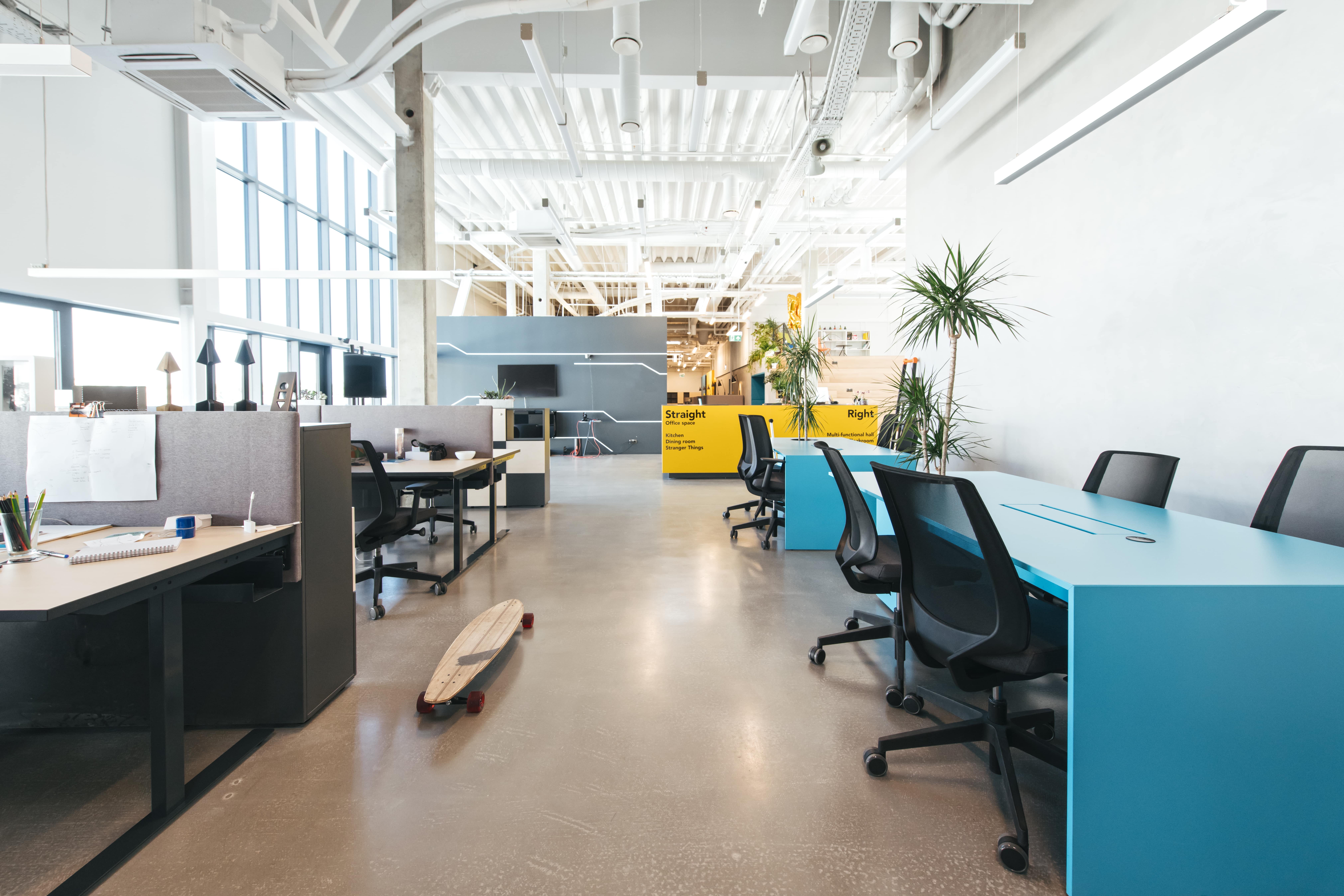
Static cubicles reinforce static thinking. Create zones: a quiet nook for deep work, an open lounge for collaboration, and informal corners for quick huddles. Movement between environments fuels mental agility.
6. Bring Nature In
Biophilic design, plants, water features, organic patterns, has been shown to reduce stress and increase creativity. Even a single leafy wall can shift the atmosphere.
7. Infuse Personality Into the Space
Allow employees to personalize their corners, photos, quirky desk objects, mini whiteboards. When people see themselves in the space, they feel ownership of the culture.
Culture Is Designed, Not Declared
A company can slap “Innovation” on its values poster, but if employees spend their days in beige boxes, the message won’t stick. Workplaces that spark creativity look creative. They signal that risk, energy, and originality are welcome.
The truth is simple: if your office looks like a waiting room, don’t expect it to produce breakthroughs.
So, before beige kills your culture, start designing for boldness. Your walls, your lighting, your furniture, they’re not just decor. They’re signals. And signals shape behavior.