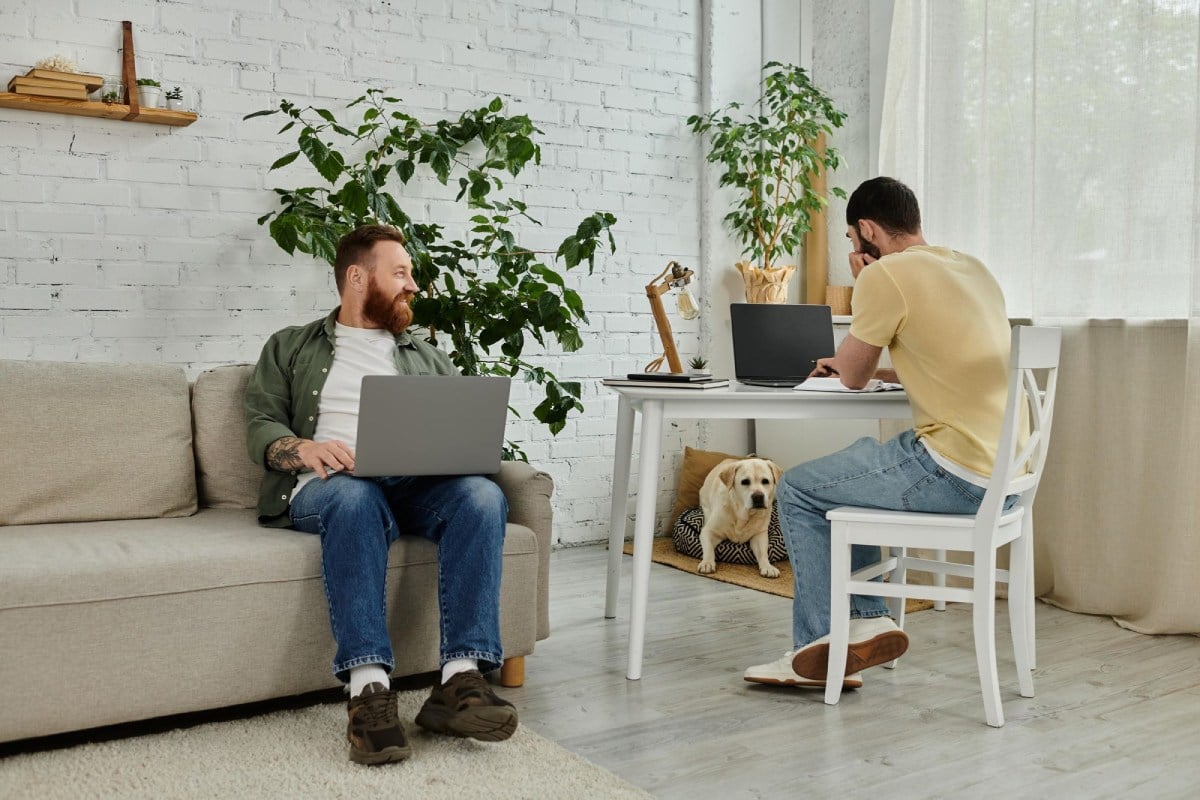
In today’s modern work environment, companies are increasingly recognizing the value of creating a pet-friendly office space. As more employees seek a better work-life balance, the ability to bring their furry companions to the office has become a sought-after perk. However, designing an office that accommodates both human and animal can be a challenge. In this blog, we’ll explore the considerations and best practices for creating a truly pet-friendly office design.
Why Pet-Friendly Offices Are Important
Allowing pets in the workplace can have numerous benefits for both employees and employers. For employees, having their beloved pets nearby can reduce stress, increase productivity, and foster a sense of work-life balance. Employers, on the other hand, can benefit from improved employee retention and attraction, as well as a more positive and engaging workplace culture.
.png)
The Pain Points of Pet-Friendly Office Design
While the idea of a pet-friendly office sounds appealing, several pain points need to be addressed:
- Allergies and Phobias: Some employees may have allergies or phobias related to animals, which can make sharing a workspace with pets challenging.
- Noise and Distractions: Pets can sometimes be noisy or disruptive, potentially affecting the productivity of nearby employees.
- Hygiene and Cleanliness: Maintaining proper hygiene and cleanliness in a pet-friendly office can be a concern, particularly regarding pet waste and hair.
- Liability and Safety: Employers must consider potential liability issues and ensure the safety of both employees and pets in the office environment.
Creating a Paw-sitive Work Environment
Here’s how Workscape Designs can help you facilitate a pet-friendly office that works for all:
1. Design for Comfort and Functionality:
- Floorplan: Create designated pet-free zones like meeting rooms and open spaces where distractions may be an issue. Provide ample space for pets to move around comfortably without hindering workflow.
- Flooring: Opt for easy-to-clean, scratch-resistant materials like tile, vinyl, or laminate. Avoid loose area rugs that can become an easy target for our furry fellows.
- Furniture: Choose durable furniture that can withstand playful pets. Consider providing pet beds, scratching posts (for cats), and designated watering stations.
2. Prioritize Hygiene and Cleanliness:
- Cleaning Protocol: Implement a regular cleaning schedule focused on areas frequented by pets.
- Pet Hygiene Policies: Require all participating pets to be up-to-date on vaccinations and flea/tick medications. Encourage frequent waste disposal using designated pet waste stations.
- Hand Sanitizer Stations: Strategically place them throughout the office to promote good hygiene practices for all employees.
3. Foster Harmony and Communication:
- Pet Orientation: Before introducing pets to the office, consider a mandatory “meet and greet” session to ensure they interact well with each other and their human colleagues.
- Clear Guidelines: Develop and implement clear guidelines outlining pet policies, responsibilities, and expectations. This includes leash requirements, designated pet areas, and protocols for handling potential issues.
- Communication Platform: Encourage open communication among employees regarding pet allergies and concerns. Also, establish clear guidelines and protocols for pet interactions within the office.
- Design Solutions: Design seamless and aesthetically pleasing solutions for managing pet access by incorporating discreet barriers, such as retractable gates or partitions.
While a “meet and greet” can be helpful, it’s important to remember that pet behavior can change, particularly in unfamiliar environments. Continued monitoring and open communication are crucial. Consider offering workshops or training sessions on responsible pet ownership in the workplace to address potential concerns and promote best practices.

The Benefits of Pets in the Office
Despite the challenges, incorporating pets into the office environment can bring numerous benefits to both employees and employers. According to a survey by the American Pet Products Association, nearly 1 in 5 companies in the United States allow pets in the workplace. Source: American Pet Products Association
A recent study by Junça-Silva (2022) highlights several key benefits of pet-friendly practices in the workplace. The study found that allowing pets in the office environment can lead to reduced stress and improved well-being for employees by lowering stress levels, reducing blood pressure, and boosting overall mental health. Additionally, having pets present was linked to increased productivity, as employees who are less stressed and happier tend to be more engaged in their work. Pet-friendly offices can also foster an improved workplace culture by promoting a sense of community and camaraderie among employees. Perhaps most importantly for employers, offering pet-friendly policies may aid in talent attraction and retention, as many employees, especially younger generations, value these types of workplace benefits.
Conclusion
Designing a pet-friendly office space requires careful consideration and planning, but the benefits can be significant. By addressing potential pain points and incorporating innovative solutions, companies can create a welcoming and comfortable environment for both employees and their furry companions. At Workscape Designs, we are committed to helping businesses leverage the advantages of pet-friendly workplaces while ensuring a positive and productive atmosphere for all.